


Apigenin Supplement Improves Heart Function in Lab Rats, New Study Shows
The naturally occurring antioxidant found abundantly in chamomile, apigenin, improves the heart function of rats by targeting multiple drivers of aging, including inflammation.
Highlights
- Apigenin increased the volume of blood pumped by the heart in rats.
- It reduced oxidative stress, a type of age-associated damage, and increased the master antioxidant glutathione within the heart.
- Apigenin reduced inflammation, cell death, and an enzyme that promotes inflammation called CD38 within the heart.
- It increased an anti-aging enzyme associated with mitochondrial health called sirtuin-3 within the heart.
Studies suggest that the more damage our cells accumulate, the faster we age. It follows that mitigating this damage could slow biological aging. One form of cell damage that contributes to aging, oxidative stress, occurs due to excessive levels of ROS (reactive oxygen species). Therefore, interventions that neutralize ROS, such as antioxidants, may slow the progression of aging.
In a new study published in Molecules, one such antioxidant, apigenin, was shown to improve heart function in rats. In the study, conducted by researchers from Walailak University in Thailand, apigenin was shown to reduce oxidative stress and inflammation in the heart. Moreover, apigenin reduced a pro-aging enzyme called CD38 while increasing an anti-aging enzyme called Sirt3 (sirtuin-3). These findings suggest that the antioxidant apigenin may slow heart aging.
Apigenin Improves Rat Heart Function
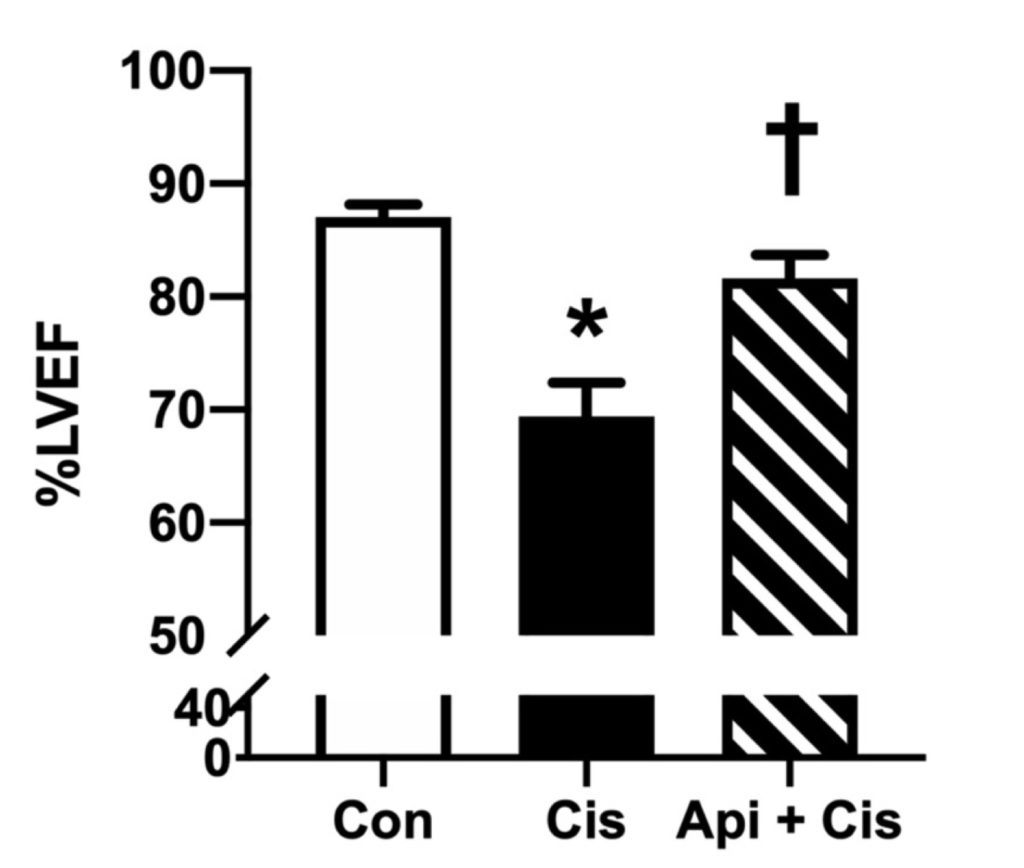
Research suggests that chemotherapy drugs, such as cisplatin, accelerate aging and increase the risk of chronic diseases, such as cardiovascular disease. With this in mind, the Walailak University researchers sought to mitigate the pro-aging effects of the chemotherapy drug cisplatin with apigenin. They found that exposing rats to cisplatin reduced heart function, as measured by LVEF (left ventricular ejection fraction). However, if the rats were given apigenin before cisplatin exposure, the reduction in LVEF was prevented.
Apigenin Combats Oxidative Stress
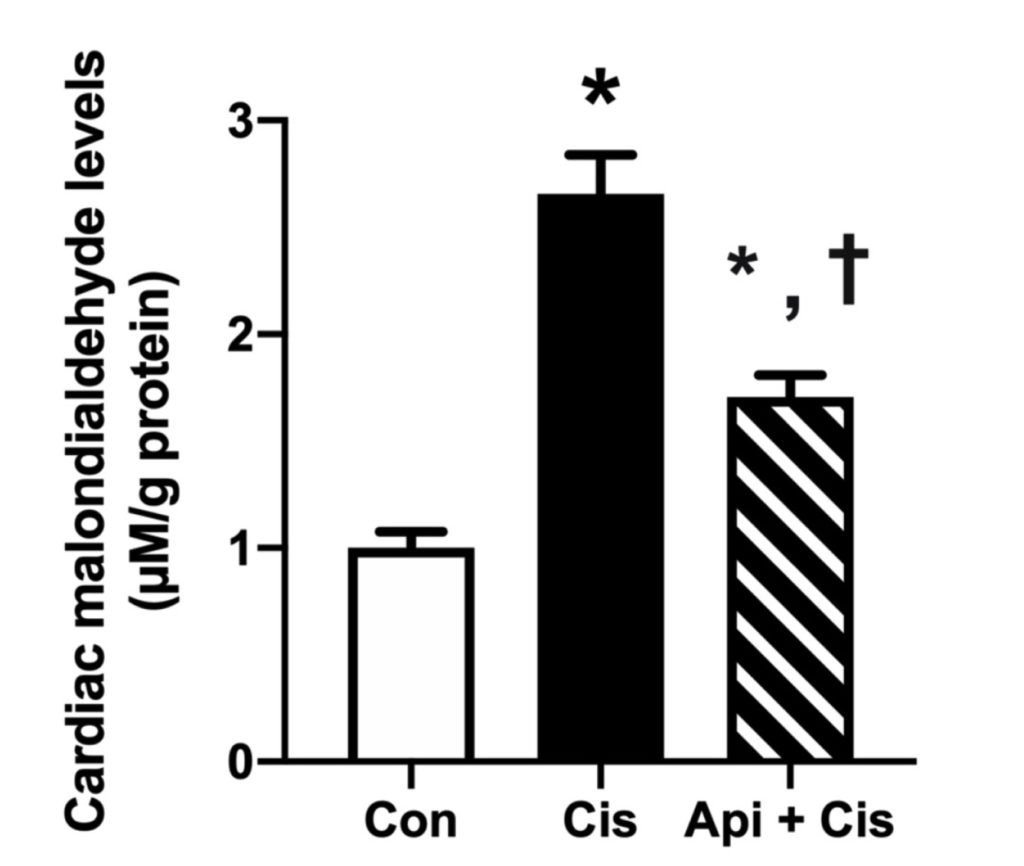
The researchers also searched for signs of heart injury and damage in the rats exposed to cisplatin. They found that cisplatin elevated two markers of cardiac injury associated with aging (lactate dehydrogenase and creatine kinase isoenzyme). However, this increase was prevented by apigenin. Additionally, apigenin reduced cisplatin-induced oxidative stress, which was assessed by measuring malondialdehyde, a compound generated when ROS damage fats. Apigenin also elevated the antioxidant glutathione, which was reduced by cisplatin, further confirming its antioxidant effects.
Apigenin Improves Age-Associated Enzymes
Across decades of research, several enzymes have emerged as critical modulators of biological aging. One of these enzymes, CD38, counteracts healthy aging by breaking down an essential molecule known as NAD+ (nicotinamide adenine dinucleotide). Low NAD+ levels are associated with many age-related diseases, including heart disease. CD38 is thought to be the primary reason for NAD+ depletion in these diseases. NAD+ not only mediates the production of cellular energy but also fuels powerful enzymes like Sirt3.
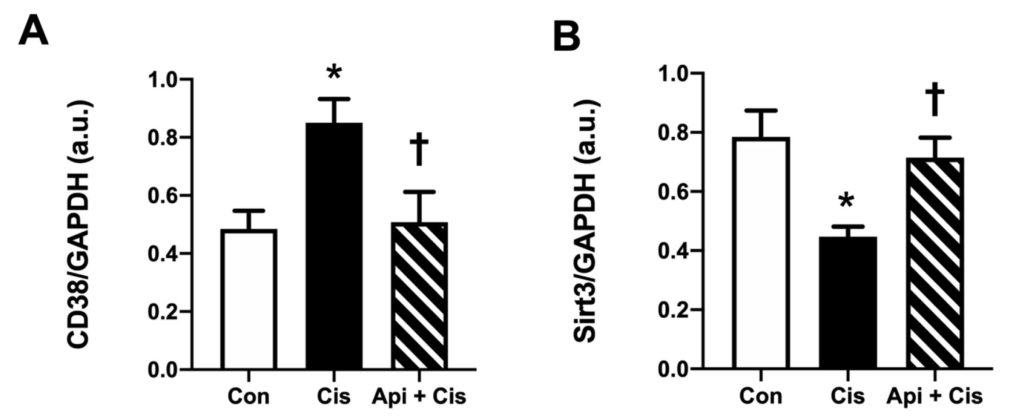
Sirt3 belongs to a family of enzymes called sirtuins that predominantly exhibit pro-aging effects. Sirt3 plays a vital role in maintaining the health of our mitochondria, which produce cellular energy. However, when NAD+ is depleted, Sirt3 remains inactive, contributing to mitochondrial dysfunction. Dysfunctional mitochondria inefficiently produce cellular energy, generate excess levels of ROS, and are the main driver of oxidative stress. The Walailak University researchers found that cisplatin increased CD38 and decreased Sirt3, which was prevented by apigenin.
Sirt3 indirectly neutralizes ROS by activating a mitochondrial antioxidant called SOD2 (superoxide dismutase 2). The researchers found that cisplatin reduced the activation of SOD2, perhaps due to NAD+ depletion and Sirt3 inactivation. However, apigenin was shown to prevent SOD2 inactivity. Since apigenin inhibits CD38, these findings imply that it can reduce oxidative stress by restoring NAD+ and activating Sirt3, which activates SOD2 to reduce ROS generated by mitochondria.
Apigenin Reduces Inflammation & Cell Death
Oxidative stress and inflammation often go hand in hand, as oxidative stress tends to induce inflammation. Indeed, the researchers found that cisplatin increased several pro-inflammatory molecules (tumor necrosis factor alpha and interleukin-1 beta) along with a pro-inflammatory signaling receptor (toll-like receptor 4). However, this was prevented by apigenin treatment, suggesting it reduces inflammation. The researchers also found an increase in inflammatory immune cells within the heart tissue of rats exposed to cisplatin, which was reduced by apigenin.
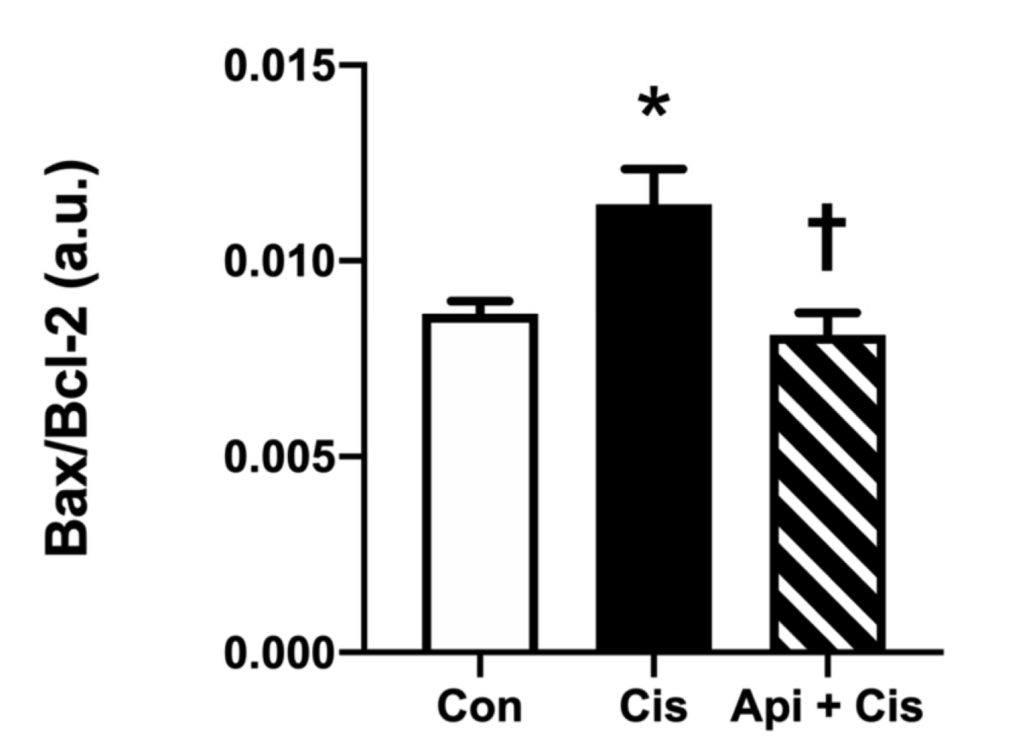
Oxidative stress and inflammation often lead to cell death, which contributes to the physical degeneration of tissues that occurs with aging. Cisplatin was shown to increase cell death, which was blocked by treatment with apigenin. These findings suggest that apigenin may contribute to the prevention of cardiovascular aging by reducing oxidative stress, inflammation, and cell death within heart tissue.
Taking Apigenin to Slow Heart Aging
We have previously reported on a study showing that apigenin reduces oxidative stress while preventing heart enlargement and scarring. However, the researchers in the previous, as well as the present study, used drugs to induce heart damage. While drug-induced damage accelerates the onset of the biological drivers of aging, such as inflammation, testing the effects of apigenin on naturally aged mice should be more translatable to humans. That said, apigenin has been shown to improve artery function in naturally aged mice while reducing oxidative stress, suggesting it has similar effects on the heart. In fact, many animal and cell studies suggest that apigenin could slow cardiovascular aging, but human studies are currently lacking.
Model: Rats exposed to cisplatin
Dosage: 50 mg/kg/day of apigenin for 8 days
 Comments