


Bacteria-Derived Sugars May Help Preserve Female Fertility With Age, According to New Study
New research suggests bacteria-derived sugars help restore the aging uterus; however, experts advise that it is too early to say it could serve as a treatment to improve fertility.
Highlights
- A group of bacteria (called a genus) known as Lactobacillus declines in abundance with advancing reproductive age.
- A bacterium from this genus, L. gasseri, and the sugars it produces reduce the abundance of senescent (dysfunctional) cells in the lining of the uterus in aged mice.
- These findings position the sugar from L. gasseri as a candidate postbiotic (a preparation of components from a microorganism) to help intervene against uterus aging.
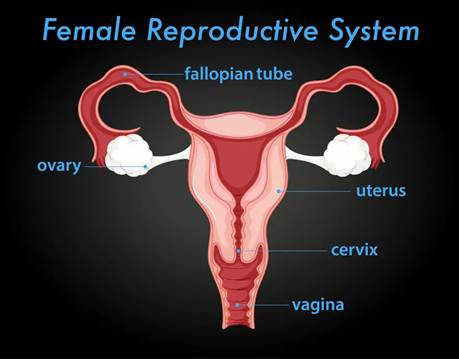
Increasing the abundance of a type of bacteria that lives in the uterus may alleviate age-related changes that can make it harder for women to get pregnant, a new study suggests. While reduced fertility is often tied to changes in egg number and quality, the uterus also becomes less receptive to an implanting embryo with age, making the achievement of pregnancy more difficult. Along these lines, the new study suggests that the bacteria living in the uterus may be part of the problem.
Through experimentation, researchers showed that treating aged mice with a species of Lactobacillus (a group of bacteria often found in the uterus) called L. gasseri reduced signs of aging in the lining of the uterus and improved embryo implantation in the uterus. The researchers also saw this improvement with a specific byproduct of L. gasseri—sugars (known as exopolysaccharides [EPSs]).
These results from scientists at Peking University in China were published in Cell Host & Microbe and suggest that bacteria in the uterus could serve as a promising target for treating age-related female infertility. However, researchers who were not involved in the study caution that the research is still in preliminary phases.
“This is an interesting and promising approach, but we still don’t know whether these findings will translate into meaningful improvements in human fertility,” said Dr. Alex Robles, a specialist at Columbia University Fertility Center who was not involved in the study, in a press release.
L. gasseri and the Sugars It Produces Reduce Uterine Senescent Cells and Improve Egg Implantation in the Uterus for Pregnancy
To evaluate whether and how the uterine microbiome (the community of microorganisms, including bacteria, that live in the uterus) changes with age, the China-based team analyzed samples of tissue lining the uterus (the endometrium). They took endometrium samples from 149 women aged between 20 and 45 years who were undergoing fertility treatment. The older women had lower levels of Lactobacillus bacteria, which are associated with a healthy reproductive tract. In particular, the older women had lower levels of L. gasseri, among the species of Lactobacillus analyzed.
“One finding that surprised us was that overall microbial diversity did not change markedly across the different age groups,” study co-author Dr. Rong Li said in a statement. “Instead, the major differences involved particular bacterial species.”
Ninety-three of the women undergoing fertility treatment later underwent in vitro fertilization (IVF), where eggs are collected from ovaries, fertilized with sperm in a laboratory dish, and the resulting embryo is placed in the uterus in an attempt to achieve pregnancy. Fifty-six of these women became pregnant and had higher levels of Lactobacillus in their endometrium than those who did not become pregnant.
To get a better understanding of the effects of this group of bacteria on the uterus, the researchers isolated five species of Lactobacillus and tested how they interacted with uterus cells in laboratory dishes. L. gasseri stood out because of its high degree of attachment to uterine cells. This attachment was also associated with reduced inflammation and lower damage from oxidative stress (a state where reactive molecule buildup outpaces a cell’s antioxidant defenses). The researchers also found that L. gasseri produced a large quantity of EPSs.
The researchers then purified the EPSs to make a postbiotic called LG-EPS. Unlike probiotics (live microorganisms that can provide a health benefit), postbiotics contain products of bacterial cells, as opposed to live bacteria.
To find whether introducing L. gasseri or LG-EPS to the female reproductive tract could modulate the aging uterus, the researchers ran tests on 11-month-old female mice (roughly equivalent to 42-year-old women). After four weeks of daily vaginal treatment with L. gasseri or the postbiotic, the mice showed reduced numbers of endometrial senescent cells, less inflammation, and higher embryo implantation rates. These findings suggest that vaginal treatment with L. gasseri or the LG-EPS postbiotic alleviates signs of uterine aging and improves fertility.
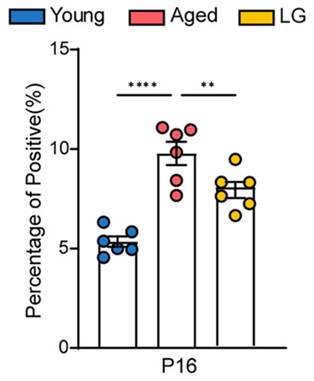
When the researchers performed the same experiment with a genetically modified strain of L. gasseri that produced lower levels of EPS, they found that many of these benefits to the uterus ceased. This finding suggests that EPSs confer a large portion of the benefits associated with L. gasseri treatment.
Further experimentation from the group suggested that the postbiotic modifies a signaling pathway that helps control cell growth and tissue repair. They found that this pathway was overactivated in aged mice but that LG-EPS treatment helped to normalize its activity. Moreover, downregulating the production of a critical protein in the same pathway eliminated the effects of LG-EPS treatment, confirming the pathway’s importance in LG-EPS’s effects.
“If confirmed in future studies, these treatments could potentially be used alongside IVF to improve the uterine environment before embryo transfer,” suggested Robles.
Caution Against Using L. gasseri Probiotic Supplements as Fertility Treatments
While L. gasseri probiotic supplements are available over-the-counter, this study should not prompt people to use them as fertility treatments. Rather, the study provides preliminary evidence suggesting that identifying ways to increase L. gasseri with probiotics or using the postbiotic LG-EPS may eventually work to enhance female fertility.
“The reproductive tract is a delicate ecosystem, and introducing or eliminating certain bacteria could have unintended consequences,” Robles warned. “We do not fully understand what constitutes a ‘healthy’ uterine microbiome. As such, any intervention should be approached with caution.”
Model: 11-month-old female C57BL/6J mice
Dosage: Intravaginal treatment with 10⁸ CFU of L. gasseri in 10 μL PBS for 28 days
 Comments