


Exploring the Potential of a Molecule in Peppers to Slow Vascular Aging
Blood vessel aging and its associated cardiovascular conditions represent a principal cause of death in the elderly, and a molecule found in hot peppers called capsaicin may mitigate it.
Highlights
- Senescent cells (cells that become dysfunctional and release inflammatory factors) contribute to vascular aging, and capsaicin may delay senescence in these cells.
- Blood vessel stiffening can also contribute to vascular aging, and a study in mice showed that capsaicin alleviated this pathological process.
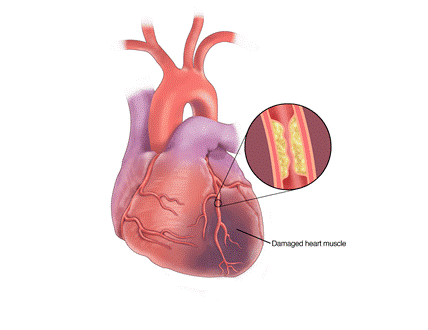
- Human trial data show that capsaicin may contribute to the prevention and treatment of coronary heart disease (a condition where blood vessels supplying the heart with blood become narrowed or blocked).
Capsaicin is a compound in certain peppers that makes them hot or spicy. It works by activating certain receptors in the mouth (they are also located in other regions of the body, like the skin, muscles, and joints). New evidence, reviewed here, suggests that eating spicy foods to get capsaicin or taking capsaicin supplements may mitigate blood vessel aging (a key contributor to mortality in the elderly). Thus, ensuring adequate intake of capsaicin may serve as a way to alleviate vascular aging and extend the years lived in reasonably good health.
Background on Blood Vessels (the Vasculature)
A study done in the US indicated that age represents the most significant risk factor for cardiovascular disease. Along these lines, the aging process can lead to vascular aging, a common feature underlying the progression of age-related cardiovascular conditions. As such, vascular aging could be a critical reason behind aging’s contribution to cardiovascular disease.
Research has demonstrated that reversing aspects of aging in blood vessels, like increasing the density of a type of blood vessel called capillaries, can lower the abundance of senescent cells in organs and effectively reduce the incidence of age-related diseases. This suggests that preventing or reversing vascular aging can serve as a key way to fight against aging.
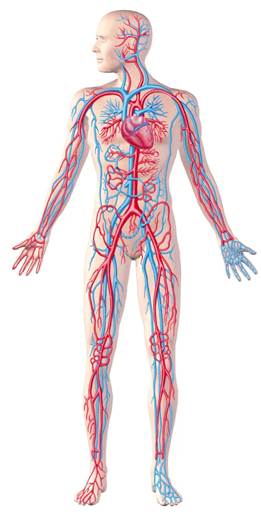
To understand how capsaicin may alleviate vascular aging, delving into a few details behind how vascular aging occurs is important. Dysfunction of a certain type of blood vessel cell (endothelial cells) and blood vessel stiffening are two major age-related blood vessel attributes. These attributes significantly contribute to blood vessel aging; however, capsaicin may mitigate these pathological processes.
More specifically, endothelial cells are located on the inside of blood vessel walls. Moreover, vascular smooth muscle cells (muscle cells in the walls of blood vessels) are situated on the external side of endothelial cells. Endothelial cells facilitate the delivery of oxygen and nutrients to tissues and maintain blood fluidity, while vascular smooth muscle cells contract to regulate the diameter of blood vessels. These two types of cells play pivotal roles in changes associated with vascular aging. Namely, endothelial cells become dysfunctional, and vascular smooth muscle cells play critical roles in blood vessel stiffening.
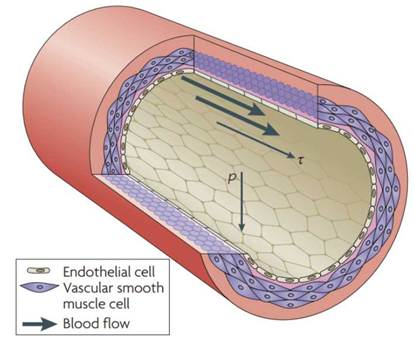
Endothelial Cell Senescence and Blood Vessel Stiffening in Vascular Aging
Research has reported that cellular senescence (where cells become dysfunctional and can release inflammatory molecules) underlies blood vessel dysfunction and aging. Multiple studies using human endothelial cells have found that capsaicin treatment suppresses senescence. Animal model and human trial studies still need to be done to confirm capsaicin’s effects against endothelial cell senescence. However, the studies done so far in cells suggest that capsaicin may suppress endothelial cell senescence to slow vascular aging.
Also, vascular smooth muscle cell calcification occurs when these cells acquire a hardened state and also promote the deposition of calcium minerals in blood vessels. This process can lead to the stiffening and reduced elasticity of blood vessels. Recent research suggests that capsaicin attenuates vascular smooth muscle cell calcification in mice. Thus, consuming ample spicy foods or supplementing with capsaicin may also serve to prevent or alleviate blood vessel stiffening.
A Human Trial Backing Using Capsaicin Against Cardiovascular Disease
Both endothelial cell senescence and blood vessel stiffening have been linked to cardiovascular conditions, and evidence suggests capsaicin may alleviate both of these pathological processes of vascular aging. For this reason, it is pertinent to look at human trial data that provides evidence for capsaicin use to counteract cardiovascular diseases.
As such, a human trial showed that taking 4 mg of capsaicin daily for three months improved risk factors, such as blood fats and a blood marker of inflammation, associated with coronary heart disease. Thus, the authors of this study concluded that capsaicin improved risk factors of coronary heart disease and that it may contribute to the prevention and treatment of this heart condition.
Capsaicin Supplementation to Mitigate Vascular Aging
While the evidence behind capsaicin mitigating vascular aging remains preliminary, the possibility looms that this compound from certain peppers could serve as a significant means to slow vascular aging. To confirm its effects, more human trials testing capsaicin’s effects on aspects of heart disease prevention and treatment will be necessary. Also, more preclinical studies testing whether capsaicin reduces the abundance of senescent vascular endothelial cells should be done in animals to confirm that it alleviates vascular senescence.
For anyone wanting to hedge their bet on the efficacy of capsaicin against vascular aging, a common range for daily capsaicin intake is 2 to 6 mg. Capsaicin supplements are available over the counter as cayenne pepper capsules or concentrated capsaicin extract powder. Along those lines, cayenne pepper capsules can cost anywhere between $17 to $30 for a month’s supply, and capsaicin extract powder costs around $30 for a month’s supply.
 Comments