


Longevity Protocol for Harvard’s David Sinclair in 2026
David Sinclair’s supplementation protocol is rooted in the Information Theory of Aging—the notion that aging is driven by a gradual loss of information coded in molecular tagging patterns on DNA.
Highlights
- As core supplements, Dr. Sinclair takes 1 gram of nicotinamide mononucleotide (NMN), 1 gram of resveratrol, and cycles between taking 1 gram of metformin or berberine every morning.
- Dr. Sinclair also takes 10,000 IU of nattokinase, spermidine, vitamin D3/K2, low-dose aspirin, about 5 grams of glycine, and about 500 mg of niacin daily.
- For lifestyle habits, Dr. Sinclair eats mostly a plant-based diet, drinks alcohol only a few times a year, and practices intermittent fasting daily.
Harvard’s David Sinclair is considered a world leader in researching aging mechanisms and developing interventions to reverse aging. Along those lines, he works as a tenured professor of genetics at Harvard Medical School and has trained over 100 aging researchers.
Due to Dr. Sinclair’s notoriety in the aging research field, uncovering the supplements he takes currently to maintain youthfulness and slow the process of aging can help those considering supplementation decide what to take. In that respect, at the 2026 Abundance Summit, entrepreneur and futurist Peter Diamandis sat down with Sinclair to review his supplement and lifestyle protocol.
David Sinclair’s Longevity Protocol for 2026
Dr. Sinclair’s approach to longevity is, in large part, rooted in the Information Theory of Aging—the idea that aging is driven by a gradual loss of information coded in molecular tagging patterns on DNA (epigenetic information) with age. According to the theory, this information can be recovered to some degree.
Even so, supplements alone are not considered sufficient to fully restore epigenetic information in a strong sense, but some supplements may support or partially influence the restoration of epigenetic information related to aging. Along these lines, the supplements and lifestyle hacks that Dr. Sinclair uses are meant to preserve epigenetic information to some degree and support its restoration.
Relatedly, Dr. Sinclair and colleagues have developed a gene therapy to restore epigenetic information related to aging in the eye, which is currently under investigation in a human trial. The overarching goal of Dr. Sinclair and colleagues’ development of gene therapies is to eventually rejuvenate multiple organs.
Three Core Supplements Dr. Sinclair Takes Each Morning
NMN
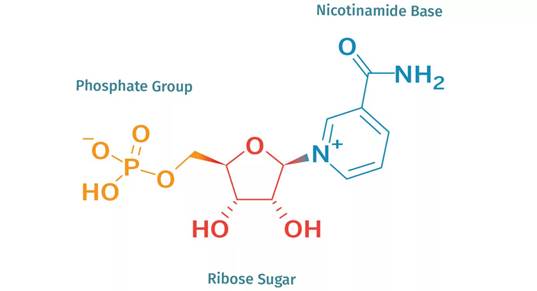
NMN is a precursor to nicotinamide adenine dinucleotide (NAD+), a molecule with critical roles in DNA repair and cellular energy generation. Dr. Sinclair has been taking NMN for over a decade and currently takes a dosage of 1 gram each morning.
Resveratrol
Dr. Sinclair mixes 1 gram of resveratrol with olive oil or yogurt, or other small fat or protein sources, each morning. As Dr. Sinclair has explained, if you just take resveratrol as a pill without a source of fat or protein, it will mostly pass straight through you without absorption.
According to Dr. Sinclair’s rationale, resveratrol activates sirtuins—enzymes that regulate many processes related to aging, including DNA repair, metabolism, inflammation, and function of the cell’s powerhouses (mitochondria). Interestingly, according to the interview with Diamandis, Dr. Sinclair’s laboratory has new data directly linking sirtuins to epigenetic information restoration. Reportedly, Sinclair’s laboratory is about to submit a paper to the journal Nature regarding sirtuins’ influence on epigenetic information restoration as well.
Metformin (or Berberine)
Dr. Sinclair cycles between taking 1 gram of metformin (a prescription drug for diabetes) and an unspecified dose of berberine (a compound found in blueberries and certain kinds of grapes). Along these lines, metformin and berberine both activate a pathway related to longevity called AMPK. Moreover, some evidence suggests that berberine lowers blood sugar, similar to metformin. Dr. Sinclair recommends not taking metformin before working out because it can interfere with the mitochondria’s production of cellular energy, which can reduce workout intensity and muscle gains.
Other Supplements Dr. Sinclair Takes
Nattokinase
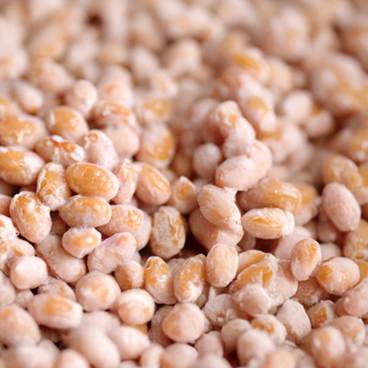
Dr. Sinclair takes 10,000 IU of nattokinase daily and started doing so in the last few years. As Dr. Sinclair says, nattokinase is the only compound shown in a large human trial to actually reverse blood vessel plaque accumulation. Furthermore, according to Dr. Sinclair, notable effects against blood vessel plaque buildup may take about a year of nattokinase use to appear.
Spermidine
Dr. Sinclair takes spermidine daily at an unspecified dosage. Spermidine is believed to activate autophagy, the cell’s process of eliminating and recycling dysfunctional cellular components. According to Dr. Sinclair, spermidine may also delay the loss of epigenetic information. He also noted how spermidine extends lifespan in every animal model in which it has been studied, from worms to mice, and is considered safe.
Vitamin D3/K2
Dr. Sinclair takes vitamin D3 with K2 daily at an unspecified dose. Accordingly, vitamin D3 supports immune function and bone strength while reducing inflammation, and vitamin K2 directs calcium to bones and can prevent calcium buildup in blood vessels.
Low-Dose Aspirin
Dr. Sinclair takes a baby aspirin most days at an unspecified dosage. He takes the aspirin due to his own personal risk for cardiovascular complications, as assessed with genetic analyses. As Dr. Sinclair notes, the medical associations have walked back their recommendations of taking aspirin for individuals with average heart disease risk due to bleeding concerns. However, for high-risk individuals, Dr. Sinclair believes the benefits of aspirin still outweigh the risks.
Glycine
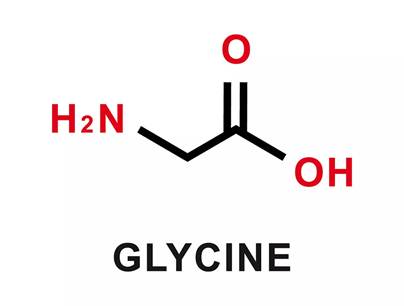
Dr. Sinclair takes about 5 grams of glycine daily. Glycine is a protein building block (amino acid), which Sinclair believes helps regulate DNA molecular tagging (methylation). Through glycine’s potential influence on methylation, Sinclair thinks it may slow the loss of the identity of cells, which drives aging. Sinclair also noted how glycine has extended lifespan in some animal models and is considered very safe with no meaningful risks.
Niacin (Vitamin B3)
Dr. Sinclair takes about 500 mg of niacin daily. Like NMN, niacin is a precursor of NAD+. Dr. Sinclair takes niacin specifically to lower his elevated Lp(a)—a cholesterol-carrying particle in the blood similar to “bad” LDL cholesterol but more dangerous.
As Dr. Sinclair noted, niacin can cause flushing and tingling sensations, which taking it alongside aspirin can help reduce. He also noted that niacin is one of the very few interventions known to lower Lp(a).
David Sinclair’s Lifestyle Protocol for Longevity
Diet
David Sinclair eats mostly a plant-based diet. He credits his life partner for helping him stop his nightly cheese-and-wine habit, as well.
Dr. Sinclair also emphasizes eating “stressed plants” (i.e., dark leafy greens and deeply colored vegetables), based on the xenohormesis hypothesis that he co-published. As such, the idea behind the xenohormesis hypothesis is that stressed plants produce more compounds called polyphenols that signal cells to activate longevity-related defenses.
Alcohol
Dr. Sinclair has mostly eliminated his consumption of alcohol. As he noted, even one glass daily correlates with a smaller brain size. All the same, Dr. Sinclair says he occasionally celebrates with alcohol consumption a few times a year.
Fasting
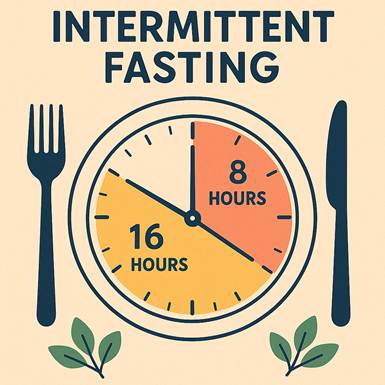
Dr. Sinclair practices intermittent fasting daily. To do so, he skips breakfast and eats in a compressed time window, aiming for at least 14 to 16 hours of fasting most days.
He also does a full three-day fast roughly once a month to trigger autophagy. He believes three-day fasting facilitates a deeper level of cellular protein recycling that does not occur with shorter fasts.
Coffee/Tea
Dr. Sinclair drinks both coffee and tea throughout the day. He noted that the current research on coffee and tea consumption is strongly favorable.
Mindset and Meditation
After years of his life partner encouraging him to meditate, Dr. Sinclair has recently begun doing so. Along these lines, Dr. Sinclair relayed that his laboratory is currently researching how meditation and mindfulness may rejuvenate sensory nerves to produce systemic health benefits.
Imaging, Wearables, and Genetic Testing
Dr. Sinclair believes in proper testing for preventable aging-related complications. He recommends full genome sequencing to gain actionable insights for the prevention of health conditions. Sinclair also recommends undergoing a carotid ultrasound, a procedure that helps track blood vessel plaques. Taking these measures can help ensure no health-related complications arise that could have been prevented.
“Make sure that you’re not going to die from something stupid like a stroke or a heart attack,” said Dr. Sinclair.
Reflecting on David Sinclair’s Supplements and Lifestyle Protocol
Considering the supplements and lifestyle hacks that Dr. Sinclair uses can help anyone in their effort to age optimally. Keeping your body in tip-top condition for as long as possible could pay off, not only for maintaining physical health, but also because longevity breakthroughs based on the Information Theory of Aging could be coming in the not-so-distant future. Thus, with Dr. Sinclair’s example in mind, staying healthy for a longer part of your life could mean that you will one day reap the benefits of technologies that rejuvenate cells and tissues and extend human lifespan.
 Comments