


Proline for Muscle Health: New Study on Rejuvenating Stem Cells
Restoring the amino acid proline in aged stem cells rejuvenates their muscle tissue-regenerating capacity.
Highlights
- Proline is depleted in aged stem cells, but restoring it improves mitochondrial health.
- Biological drivers of aging, like DNA damage and inflammation, are alleviated by proline in aged stem cells.
- Proline restores the capacity of aged stem cells to become muscle cells, suggesting rejuvenation.
In a manner of speaking, our body becomes less capable of repairing itself over time until, in one way or another, it breaks. Our stem cells play a crucial role in our body’s repair process, but over time, they can become worn out and ineffective. Now, researchers from the University at Buffalo in New York may have found a way to rejuvenate our stem cells. As published in a new study from Cell Reports, they use the amino acid proline to restore the repair capacity of stem cells.
Proline Restores Mitochondrial Health in Aged Stem Cells
One of the most exciting developments in the field of aging science has been the role of senescent cells. The latest research suggests that accumulated molecular damage, such as DNA damage, triggers cellular senescence. This means that none of our cells is safe from entering a senescent state. They can appear anywhere in the body and persist for years. Even our stem cells can become senescent cells, and these senescent stem cells are incapable of repairing our bodies.
Senescent Stem Cells Contain Low Levels of Proline
In pursuit of restoring the body’s repair capacity, the University at Buffalo researchers sought to rejuvenate senescent stem cells. In doing so, they verified the usual instigators of cellular senescence, including impaired mitochondria and DNA damage. What’s more, in chasing insights from their previous work, the researchers found that senescent stem cells contain low levels of proline.
Proline Restores Mitochondrial Health
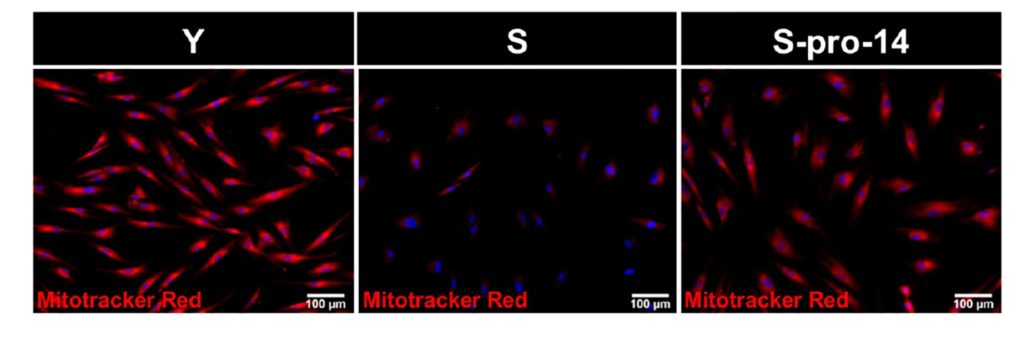
Mitochondria, the batteries of cells, hold a voltage that reflects their overall health. With this in mind, the researchers used a specialized red dye to measure the voltage of mitochondria. The red dye fluoresced brightly within the mitochondria of young stem cells, suggesting adequate mitochondrial health. In contrast, the red dye was very faint in senescent stem cells, suggesting poor mitochondrial health. Remarkably, however, senescent stem cells treated with proline exhibited mitochondrial voltage levels more similar to those of young non-senescent stem cells.
Mitochondria harness the oxygen we breathe to produce ATP, the cell’s main energy molecule. By increasing oxygen utilization and ATP production, the researchers showed that proline improves mitochondrial function. These findings are consistent with the mitochondrial voltage results and suggest that proline supports overall mitochondrial health.
Proline Counters Hallmarks of Aging
Poor mitochondrial health is considered one of the key “hallmarks of aging.” These hallmarks are important molecular and cellular signs of age-related biological decline that scientists use to study and better understand the aging process. Other hallmarks of aging include DNA damage, cellular senescence, and impaired autophagy.
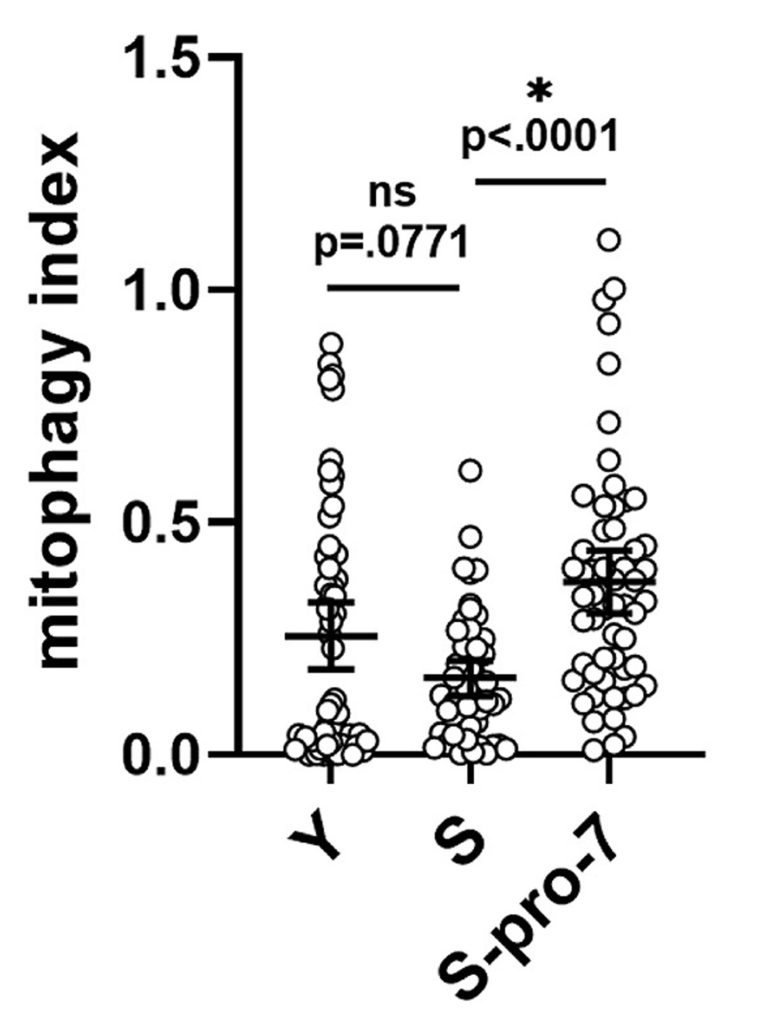
Autophagy is the process cells use to break down and recycle damaged components, including misfolded proteins and worn-out mitochondria. When autophagy specifically targets mitochondria, it is called mitophagy. Impaired mitophagy can contribute to poor mitochondrial health. The researchers found that proline restored mitophagy in senescent stem cells, offering a possible explanation for its beneficial effects on mitochondria.
The researchers also showed that proline may influence other hallmarks of aging, including DNA damage and inflammation. It increased a marker associated with DNA repair and reduced markers of cellular senescence. Senescent cells are especially problematic because they release pro-inflammatory molecules that can promote chronic inflammation and tissue damage. The researchers found that proline lowered the mRNA levels of these inflammatory molecules, suggesting it may help reduce inflammation.
Proline Rejuvenates Senescent Stem Cells
To repair tissues, stem cells must turn into the specific cells that make up those tissues, a process called differentiation. Stem cells can differentiate into several different cell types, but this ability declines with age. One reason the body’s repair system becomes less effective over time is that stem cells lose their differentiation capacity once senescent. For example, senescent stem cells can make it harder to build muscle after resistance exercise because they can no longer differentiate into skeletal muscle cells.
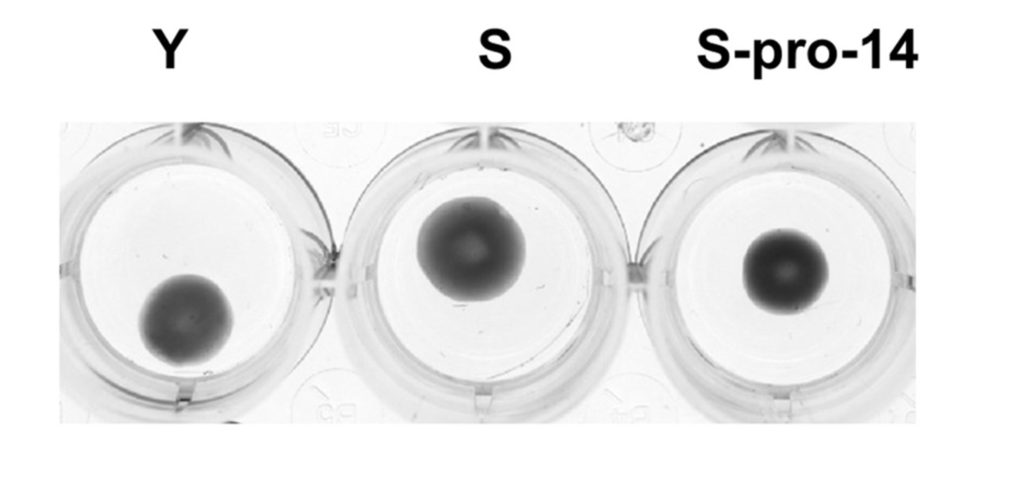
Strikingly, the researchers found that proline increased the ability of senescent stem cells to differentiate. When the cells were treated with proline, they switched on genes associated with smooth muscle cells. Smooth muscle tissue lines organs, the respiratory tract, and blood vessels, where it helps control digestion, airflow, and blood pressure. The researchers also tested whether the muscle cells could produce force by looking at how they changed the shape of a hydrogel disc.
Can Supplementing with Proline Rejuvenate Your Stem Cells?
The findings of the University at Buffalo researchers suggest that proline rejuvenates stem cells by targeting several hallmarks of aging (i.e., senescence, mitochondrial dysfunction, inflammation, and DNA damage). However, the study was done in cells, which bypasses the complexity of living organisms. The next step will be to test the effects of proline in multicellular organisms, such as nematodes or flies. If proline can rejuvenate the stem cells of these model organisms, studies on rodents could be conducted to determine if proline can rejuvenate the stem cells of mammals. Until then, it may be beneficial to consume proline by eating foods rich in protein.
 Comments