


Thymus-Derived Peptide Declines with Age & Restoring It Promotes Cancer Survival: New Study
University of Southern California (USC) scientists find that thymulin, a peptide derived from the thymus, declines with age, and restoring it protects against cancer-related death in mice.
Highlights
- In both mice and humans, the same pro-inflammatory immune cells increase with age.
- Combining the circulatory systems of aged and young mice reduces these pro-inflammatory immune cells.
- Treating mice that model breast cancer with thymulin delays tumor growth and increases survival.
An immune system that has aged poorly can promote chronic inflammation, which contributes to cancer development. However, the precise drivers of age-related inflammation promoting cancer remain incompletely understood.
To investigate this issue, USC researchers examined age-related changes in immune system signaling molecules. Reporting in Nature Communications, they found that thymulin levels decline with age. Moreover, restoring thymulin reduced cancer incidence while increasing the survival of mice that model breast cancer. The findings suggest that thymulin restoration could help protect older adults against cancer—particularly breast cancer—though this possibility remains to be tested in humans.
Pro-Inflammatory Immune Cells Increase with Age in Mice and Humans
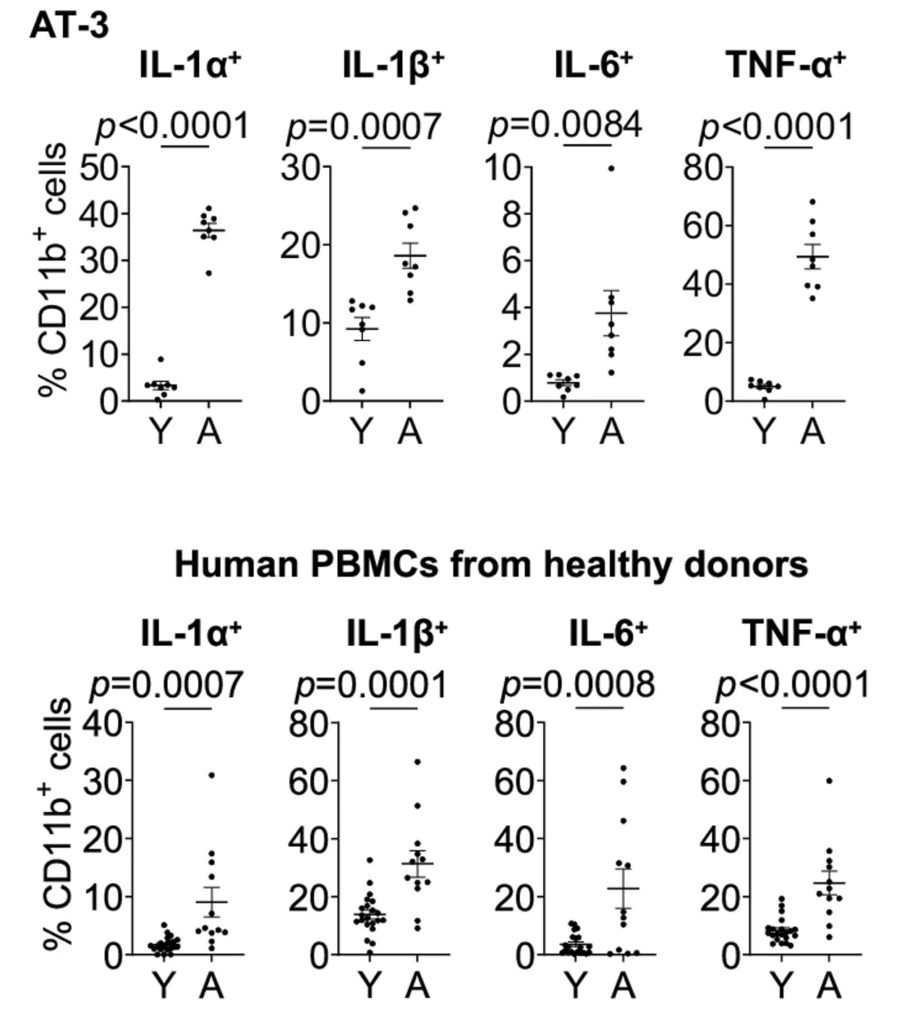
Age-related inflammation is driven in part by pro-inflammatory cytokines—signaling molecules produced by immune cells. The USC researchers found that older female mice had more cytokine-secreting immune cells than younger females. These cells were likewise more abundant in older females across two mouse models of breast cancer. A similar pattern emerged in healthy human donors: older adults (aged 60–87) had more pro-inflammatory cytokine-producing cells than younger adults (aged 21–33).
Circulating Molecules from Aged Mice Contribute to Inflammation
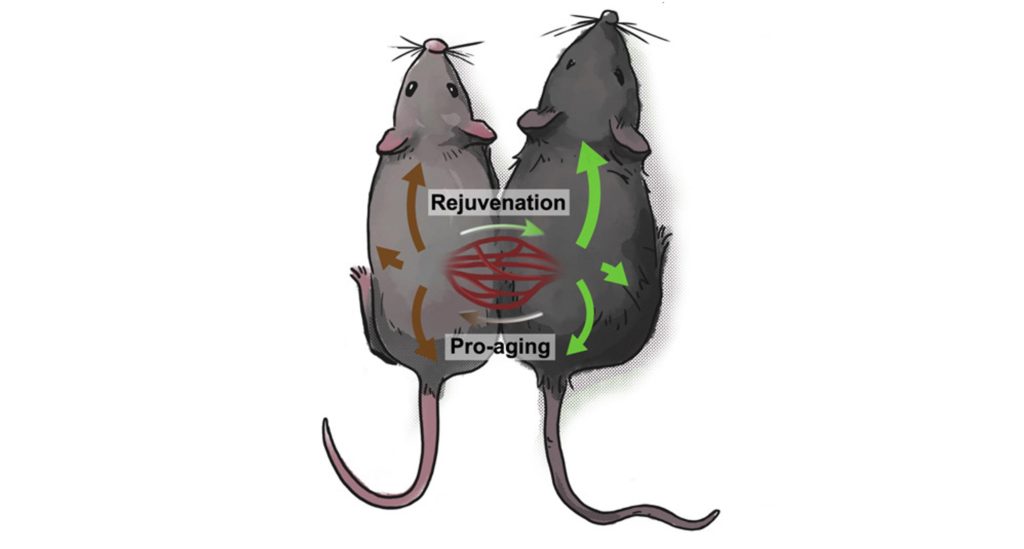
Our blood carries immune cells (white blood cells), red blood cells, and many other factors that circulate through our body and enter and exit cells. Previous studies, in which the circulatory systems of young and old animals were surgically connected (heterochronic parabiosis), have shown that circulating factors from old mice accelerate the aging of young mice. Moreover, circulating factors from young mice rejuvenate old mice.
To determine whether circulating factors from old mice could affect the inflammatory state of young mice, the researchers implemented heterochronic parabiosis. They found that circulating cytokine-producing cells were reduced when the blood of aged and young mice was combined. Moreover, in mice that model breast cancer, the dilution of old blood with young blood delayed tumor growth and increased survival.
Thymulin Delays Tumor Growth and Increases Survival
The researchers also identified several circulating molecules associated with lifespan regulation, including the sirtuin family of enzymes. Previous studies have shown that genetic deficiencies affecting molecules such as sirtuins can increase levels of pro-inflammatory cytokines. These deficiencies have also been linked to thymic shrinkage. The thymus is an immune organ that helps train immune cells, particularly T cells, to recognize threats. The researchers therefore hypothesized that factors produced by the thymus may help restrain inflammation.
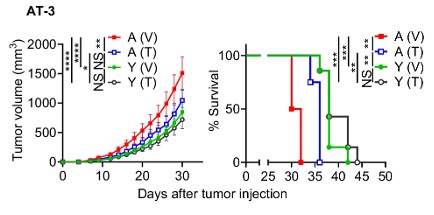
One such factor is thymulin, a peptide previously shown to counter pro-inflammatory cytokine activity. Based on these findings, the USC team tested thymulin treatment in human immune cells and mice. In human immune cells, thymulin reduced pro-inflammatory cytokine levels. In aged mice, one week of treatment produced a similar reduction. In mouse models of breast cancer, thymulin treatment delayed tumor growth and extended survival.
Since thymulin did not affect young mice, the authors of the study said:
“This suggests that thymulin primarily acts by restoring age-associated immune dysfunction rather than broadly enhancing immune activation. These findings may have translational relevance, as aging is associated with reduced responsiveness to immunotherapy, and thymulin may help restore immune competence in older patients.”
Taking Thymulin in Old Age to Promote Longevity
Chronic inflammation in older adults is associated with several diseases, including cancer, cardiovascular disease, and neurodegenerative disorders such as Alzheimer’s disease. The new findings raise the possibility that restoring thymulin could help curb age-related inflammation and, in turn, influence the development or progression of these conditions.
However, the study was conducted in cultured human immune cells and mice. It provides a foundation for further research into whether thymulin can affect age-related disease, health, or survival in people. Clinical trials will be needed to establish the appropriate dose, safety, and effectiveness of thymulin in humans.
Although thymulin is available for purchase online, its safety and benefits in humans remain unknown.
Model: Female mice injected with AT-3 or E0771 tumors in their mammary glands to model breast cancer.
Dosage: 1.5 mg/kg/day of thymulin injected for 4 weeks post-tumor injection
 Comments